Hi, I’m the maker behind Quilts by Taylor.
I create handmade quilts from start to finish, including one-of-a-kind finished pieces and custom made-to-order designs. Each quilt is made to be used, loved, and last for years to come.
New quilts are always in the works, so there’s usually something fresh coming soon. For early access to new quilts and special offers, be sure to join my weekly newsletter.
There’s something special about a quilt that feels like it was made just for your home—because it was.
If you’ve ever looked at store-bought quilts and thought they all feel the same, a custom handmade quilt gives you the chance to create something truly one-of-a-kind. From color choices to pattern design, every detail can reflect your style, your space, and your story.
This isn’t just about buying a quilt—it’s about creating one.
Choose Your Size All quilts are made in King or Queen sizes, designed to fit beautifully on your bed and become a focal point in your room. I have a article on >> How To Choose your Size
Step 2: Choose a Pattern That Speaks to You
Select Your Colors or Inspiration You can start with something as simple as a color palette, a photo, or even a feeling you want the quilt to bring into your space—soft and calming, bold and vibrant, or warm and traditional.
From traditional patterns like Flying Geese, Log Cabin, or Hexagon, to modern, freeform layouts—your quilt should reflect your style. Not sure? I’ll walk you through quilt patterns based on the mood, movement, and vibe you’re drawn to.
💡 Tip: If you love something you’ve seen in my gallery, just mention the post name or style in your request.
Some customers come in with a pattern in mind, while others prefer guidance. I can suggest designs that work best with your colors and overall vision. I can help you see variety! I have a special page Quilts By The Pattern where you can see 1 quilt in the many different Quilts I have made for customers over the years/
Step 4: Personal Touches
Choose Batting Every quilt is made with 100% cotton materials. You’ll have options for Single Batting or Double Batting. If you live in a cold wintery area Double Batting/ Or single for a more light weight Summer Months. How to Choose You Batting is a great piece that explains the differences between Cotton and Poly also. ( dont knock Poly as its nice too when Custom Quilted. and has a purpose if you like a fluffyier quilt) << more like Store bought/ only with MY Quilting.
Step 5: After Your Purchase Then Watch Me Make it
Creation Timeline/ THIS is the fun part. I love working with customers and keeping them updated on progress. I will walk you through my process with photos. I often make a decicated Blog Post for your project. There we can share pictures easy, and see the progress. I like to make sure you get to see it, as we go… not just > see it when done< I share each step.
Current turnaround time is approximately 10 weeks after finalizing your design.
Im Happy To Answer Any Questions you might have before ordering Send Me A Email
Why Custom Made Quilts Are Worth It
With a custom handmade quilt, you’re not just buying bedding—you’re commissioning a legacy piece. These heirloom-quality quilts are made to be used, loved, and remembered. And because it’s made just for you, no one else will ever have one quite like it.
How Long Does a Custom Quilt Take?
Great quilts take time—but the results are worth the wait. Once your design is finalized, most custom orders take between 10 to 12 weeks to complete, depending on the size and complexity. Since I sew each piece by hand, every stitch reflects the care and time invested. You’re not just buying a quilt—you’re commissioning a work of art tailored to your taste, made from 100% cotton and built to last for generations.
My Promise to You
Every quilt I make is one-of-a-kind. Whether you’re ordering a queen size handmade quilt for your guest room, or a bold cotton king size design for your master bedroom, I promise craftsmanship, communication, and quality. With over a decade of experience and dozens of satisfied customers, my goal is to deliver not just a product—but a heartfelt experience.
📌 Related Custom Quilt Resources
If you’re exploring custom handmade quilts, these pages will help you take the next step:
Browse Handmade Quilts for Sale See finished quilts for inspiration and get a better idea of styles, colors, and patterns available.
Why Choose a Custom Quilt? Learn what makes a custom quilt different from store-bought options and why so many customers choose heirloom-quality, made-to-order pieces.
Want to see a full collection of my work in one spot? Follow me on Pinterest
If you’re learning more about caring for or buying a handmade quilt, these guides will help you get the most out of your investment:
🧼 Quilt Care & Washing Guide Learn how to wash handmade quilts safely, how often to clean them, and how to keep them looking beautiful for years. 👉 How to Wash Handmade Quilts
🛒 How to Buy a Handmade Quilt A complete guide to choosing, designing, and ordering a handmade quilt that fits your home and style. 👉 How to Buy a Handmade Quilt
handmade quilts for sale, cotton quilts for sale, king size handmade quilt, queen size handmade quilt
If you’ve ever compared a store-bought quilt to a handmade one, the difference can be hard to explain—but easy to feel.
At first glance, they might look similar.
I have clocked my time long ago for a Queen Quilt. it was almost 50 hours. with emails, the shopping, the washing, the drying, ironing, cutting, sewing, assembling, quilting, binding, washing again, shipping>>>>>>
Its a LOT of time in various ways. Maybe not hard, but repetitive and you have to be determined to get a quilt finished~ 🙂 Read more here>>> Why Are Quilts More Expensive?
What Is a Whole Cloth Quilt?
I have most of mine shown in White. But They dont have to be white, I can do any basic solid color. All are beautiful! ( these white ones are hard to get good pictures of, in person they are yummie!
A whole cloth quilt is made from a single piece of fabric on the top, rather than pieced blocks or patchwork.
The design comes entirely from the quilting itself—stitched patterns, texture, and movement that bring the fabric to life.
👉 A well-made quilt becomes more comfortable the more it’s used.
Quality You Can Feel
From the drape to the texture, natural cotton fibers make this quilt feel soft and luxurious. The pattern has been a favorite for years, and I’ve quilted it in multiple motifs—each giving the quilt a distinct personality while staying true to the timeless :
If you’ve been searching for handmade Quilts , Browse Handmade Quilts For Sale you’ve probably noticed something right away — not all quilts are created equal.
Some are mass-produced to look handmade, while others are carefully crafted, one stitch at a time, using high-quality cotton fabrics and traditional techniques.
So how do you know what you’re really getting?
Let’s take a closer look at what makes a handmade quilt worth investing in — and where to find one you’ll truly love for years to come.
These larger sizes not only fit better but also allow the full design to shine.
Looking for Something Specific?
Sometimes you find a quilt you love… but it’s already sold.
That’s where made-to-order quilts come in.
If you have a color palette, pattern, or idea in mind, you can explore my made-to-order quilt options here:Made To Order Quilts
Each quilt is created with the same attention to detail, using carefully selected fabrics and a process designed to produce a high-quality, long-lasting result.
If you’re looking for something available right away, I occasionally offer finished quilts that are ready to ship.
If you love that design but need a larger size or custom colors, you can also order a made-to-order version here: https://quiltsbytaylor.com/quilts-for-sale-bean-quilt/
A Quilt That Feels Like Home
At the end of the day, a handmade quilt is more than just bedding.
It’s something you live with — something that adds warmth, texture, and personality to your home.
And if you don’t see exactly what you’re looking for, a custom quilt might be the perfect fit.
If you’re looking for a handmade quilt that’s made to last and designed with care, you can explore my available quilts here or learn more about having one made just for you
Whether you choose a ready-made quilt or a custom piece, investing in a handmade quilt means bringing home something truly one of a kind — made with care, and made to last.
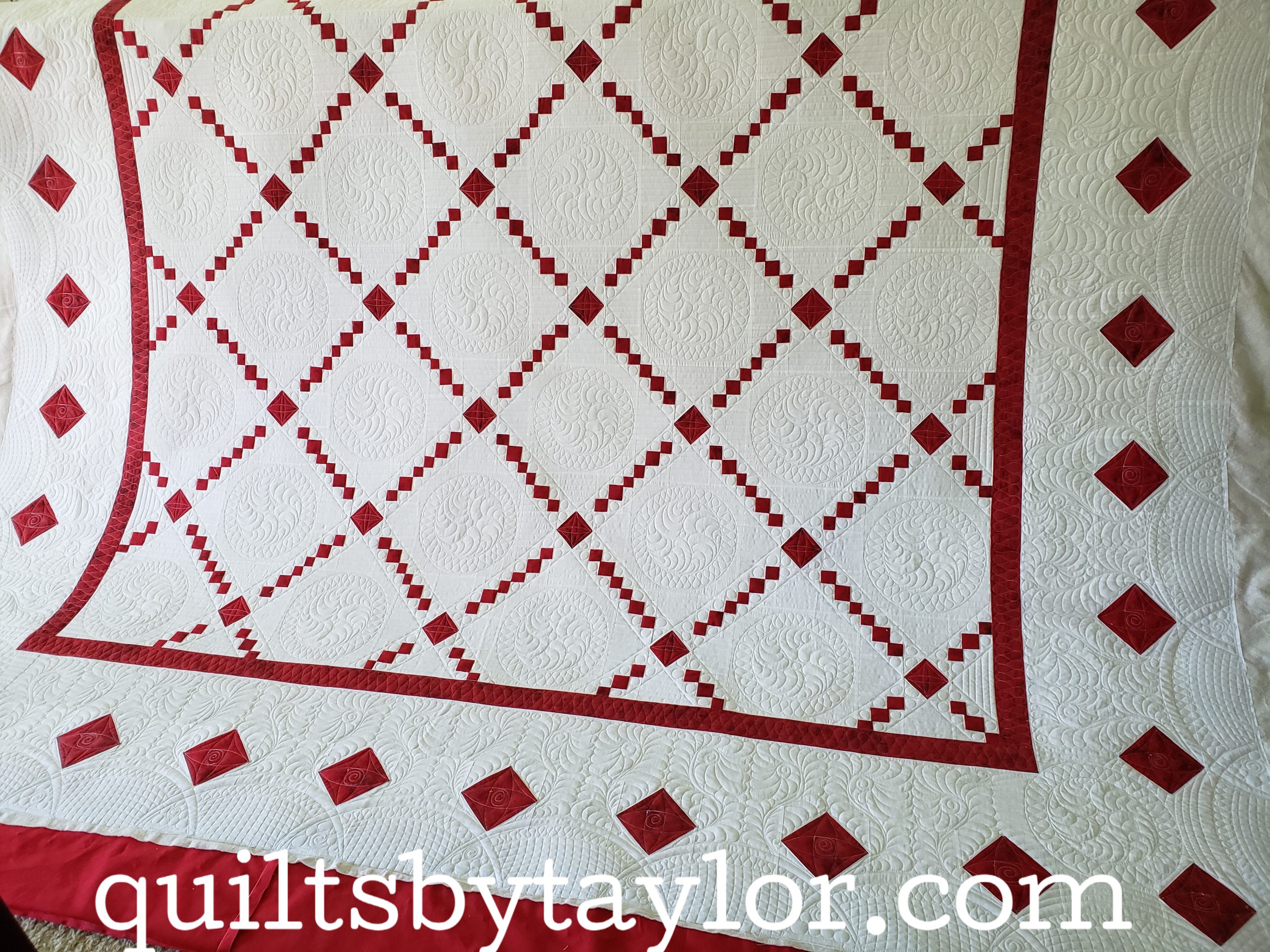
This Mini Irish Chain quilt is one of those pieces that can completely change the feel of a room.
Made-to-Order/ Quilts for Sale
If you love classic quilt designs with a timeless feel, the Mini Irish Chain quilt is one of the most beautiful and recognizable patterns you can bring into your home.
This quilt blends tradition with everyday comfort, featuring a detailed chain pattern that creates movement, texture, and visual interest across the entire design. It’s the kind of quilt that feels both cozy and meaningful the moment you see it.
What Is a Mini Irish Chain Quilt?
The Mini Irish Chain pattern is known for its repeating chain-like design, created by carefully piecing together small blocks that form a continuous flow across the quilt.
Unlike larger, simpler patterns, the “mini” version adds more detail and dimension—giving the quilt a refined, intricate look while still maintaining that classic charm.
This pattern has been loved for generations, making it a perfect choice if you’re drawn to traditional quilt styles with lasting appeal.
This Mini Irish Chain quilt is available as a custom made quilt, so you can choose colors that fit your home perfectly.
Available Sizes:
King Size
Queen Size
Each quilt is made after your order is placed, with an approximate timeline of 10 weeks once fabrics are selected.
random table topperTable topper
A Quilt That Never Goes Out of Style
The beauty of the Mini Irish Chain design is its versatility.
It works beautifully in:
Farmhouse-style homes
Traditional bedrooms
Soft, neutral spaces
Even more modern settings with the right color choices
Whether you prefer light and airy tones or deeper, richer colors, this quilt adapts effortlessly.
Why Choose Handmade Over Store-Bought?
Many quilts you find in stores are made quickly using lower-quality materials and minimal stitching. I have a section where you can Browse Quilts By The Pattern, and it can show you my quilts in different colors, I gathered them all up in 1 area, so you can see them in one spot 🙂
How to Order a Handmade Quilt (Step-by-Step Process)
Ordering a handmade quilt should feel exciting—not confusing. Every quilt I create is made to order, designed with care, and built to last for generations. This guide walks you through exactly what to expect so you can order with confidence.
Start by browsing the available quilt designs. Each pattern is carefully selected for its timeless look and durability. Whether you prefer classic layouts or bold statement pieces, every quilt is made in King or Queen size using high-quality cotton fabrics.
Secure Your Order
To begin your custom quilt, checkout is required at the time of order.
Because each quilt is made specifically for you:
Your spot in the production schedule is reserved once payment is completed
Materials are selected and prepared based on your order
Your quilt is carefully handcrafted over the course of approximately 10 weeks.
This includes:
Cutting and piecing
Quilting and finishing
Final inspection
Every detail is completed with precision to ensure heirloom quality.
After Purchase We Will Customize Your Quilt
Once you’ve chosen a design, you’ll select your fabrics, colors, and overall feel. It usually involves quite a few emails at first if you have a special color way. This is where your quilt becomes truly yours. I show you pictures throughout the process so you can be assured of what choices will be made along the process.
I’ll guide you through:
Fabric choices
Color coordination
Backing and batting options
Each quilt is thoughtfully planned to match your space and style.
This isn’t just a blanket—it’s a long-term investment in comfort and craftsmanship.
Ready to Start Your Quilt?
Browse available designs and begin your order today. If you’re unsure where to start, the step-by-step process above will guide you from selection to delivery.
Below Are all things we will work through to Make your Quilt
How to Gauge the Sizing for Your Needs (Important)
Measuring for Quilt Drape
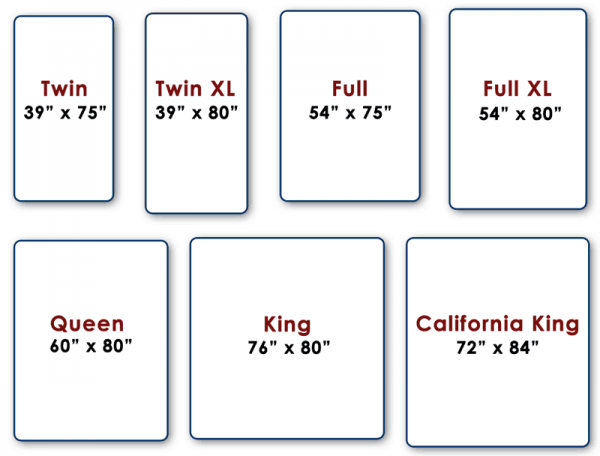
Determine Your Desired Drape: Decide how many inches you’d like the quilt to hang over the sides of your bed. This isn’t just about your mattress’s surface dimensions but about how much overhang (or “drape”) you want.
Add Drape to Mattress Dimensions: To calculate the quilt size, add your mattress’s surface length and width to the desired drape on each side.
Example: A standard queen-size mattress is 80 inches long. If you’d like a 10-inch drape on both sides, add 20 inches to the 80-inch length, resulting in 100 inches. This may fall into the dimensions of a king-size quilt.
Ordering a size up is very common, as quilts are typically designed to cover the mattress and not the entire box spring. For full coverage of the box spring, a bed skirt is generally recommended
I create quilts based on exact dimensions in inches rather than standard bed sizes. It’s important to measure carefully to ensure your quilt fits as desired.
Pre-Washing & No Shrinkage All fabrics used in your quilt are pre-washed before assembly, and the finished quilt is also washed and dried. This ensures there is no shrinkage when you wash it at home, so you’ll receive the exact size you ordered.
Generously Sized Lap Quilts My lap-sized quilts are larger than most you’ll find online, providing exceptional coverage and comfort. For bed quilts, I recommend ordering one size larger than your bed size, especially if you’re accustomed to store-bought bedding like “bed in a bag” sets.
Why Pre-Shrinking Matters Quilts can shrink by 5 to 10 inches after washing. That’s why I pre-shrink all fabrics and account for this during the design process. By using extra fabric upfront and pre-shrinking it, I ensure the final quilt maintains its intended dimensions even after repeated washing.
Sizing Philosophy Standard size labels like “Queen” or “King” don’t define my quilts. Instead, I focus on your specific measurements. When you order, my first question will always be, “What’s your measurement?”
Think of it like buying pre-shrunk jeans: what you see is what you get—no surprises!
Unlike some makers, I handle all 3 jobs of the quilting process myself:
Cutting and Piecing: Creating the design and assembling the top layer.
Quilting: Assembling the three layers (top, batting, and backing) and stitching them together.
Finishing: Binding the edges, washing, and drying to ensure a polished and professional result.
This approach allows me to maintain a high level of quality throughout the entire process, ensuring each quilt is crafted with care and attention to detail.
Hand Guided, Free Machine Quilting/ Custom Quilting
It is the actual process of Sewing all 3 Layers together as one. For context: I’m Making it a 3 layer Quilt Sammich. Im making you a Quilt Sammich~ ( I make good ones) haha~
I am a Hand Guided , free-motion quilter, ~meaning my quilting is not computerized—it’s organic and created by hand, using a long-arm machine.
I personally do all of the finishing work myself, ensuring that each quilt is uniquely crafted with care.
Quality Quilting & Thread
Machine Bound on the Edges
Custom Quilting: Why This Matters, and whats the difference?:
The quality of quilting I provide is one of the key reasons my prices are structured the way they are. Custom Quilting is THE significant investment, as it often requires a lot of time/ thread / planning. In fact, for many quilts, more than 60% of the cost would go toward the quilting process ( if you pay someone to just do the quilting)
Not all Quilts need to be Custom Quilted. Kids quilts/ growing up quilts can often be quilted a lot less, and not meant to be around for ever as they grow out of them, or you just like a loosly quilted quilt. I call those ” comforters” loose and fluffy. Over time washing and wear they dont hold up like a Custom Quilted Quilt. < more densely quilted> Quilting is highly detailed and time-consuming—you can opt for simpler designs, but most of the quilts I create are fully custom quilted for a truly unique finish.
I invite you to explore my Project gallery or product listings to see close-up photos of my quilting work—you’ll see the quality and craftsmanship that go into every piece!
Quilt Backing Information
I use 100% cotton fabric for the backing, available in neutral or coordinating colors to complement your quilt design. Backing fabric is a specialty material, meaning it comes in extra-wide cuts and has limited variety and availability.
Due to recent supply chain delays, finding certain backing fabrics “in stock” can be a challenge, but I can almost always source one that works perfectly. To streamline the process, please be prepared to decide on your preferred backing color as soon as possible.
Ideally, I purchase the backing fabric alongside the fabric for the quilt top to ensure everything is ready when needed. If a color choice is not provided, I will select a neutral or coordinating color to match the quilt’s design.
Please note: the backing is not made from the same fabrics used on the quilt top, as it requires specialty fabric designed for this purpose
Return Policy
As all my quilts are custom-made with care and tailored to your specifications, I do not accept returns on custom orders. Once the quilt is created, the time, materials, and craftsmanship have already been invested.
Commissioned Quilt Services are not refundable.
Keepsake Quilts Built to Last
My quilts are crafted with high-quality fabrics and materials, designed to be cherished and used in everyday life.
Longevity: With proper care, these quilts are built to last for many years and can even become treasured heirlooms passed down through generations. While I can create fun, casual quilts for everyday use—like those made for kids—my true focus is on custom quilting, which transforms each piece into a one-of-a-kind keepsake.
If you have any questions or need further clarification, I’m always happy to help! Feel free to reach out anytime. 😊
Thank you for Considering a Handmade Quilt, I look forward to working with you.
Can I Dry Clean My Quilt / Quilt Care/Can I Dry Clean my Quilt/Sustainable Quilt Care/Natural Quilt Care
The Short Answer:
You can, but you probably shouldn’t. meaning…. <NO> you shouldn’t. and here’s why~
Can You Dry Clean a Quilt? (Here’s the Truth)
You can dry clean a quilt—but that doesn’t mean you should.
For most handmade quilts, especially cotton ones, dry cleaning can slowly weaken the stitching over time.
The better option?
Simple, gentle washing with water.
Explore More About Handmade Quilts
If you’re learning more about caring for or buying a handmade quilt, these guides will help you get the most out of your investment:
🧼 Quilt Care & Washing Guide Learn how to wash handmade quilts safely, how often to clean them, and how to keep them looking beautiful for years. How to Wash Handmade Quilts
🛒 How to Buy a Handmade Quilt A complete guide to choosing, designing, and ordering a handmade quilt that fits your home and style. 👉 How to Buy a Handmade Quilt
Dry cleaning won’t instantly ruin your quilt — but repeated chemical exposure can slowly weaken certain types of quilting threads. Not to mention the chemicals being pumped into our waterways.
Key Takeaways
Can you dry clean a quilt? Technically yes — but repeated cleaning may damage the stitching over time.
Cotton fabrics are safe, but poly-wrapped quilting threads are vulnerable to dry-cleaning solvents.
One cleaning won’t destroy it, but don’t make it routine.
Water washing is best for cotton quilts, whether at home or with a cleaner who offers wet-wash services.
Natural fibers prefer natural cleaning methods.
Learn More About Handmade Quilts
If you’re learning more about caring for or buying a handmade quilt, these guides will help you get the most out of your investment:
🧼 Quilt Care & Washing Guide Learn how to wash handmade quilts safely, how often to clean them, and how to keep them looking beautiful for years. 👉 How to Wash Handmade Quilts
🛒 How to Buy a Handmade Quilt A complete guide to choosing, designing, and ordering a handmade quilt that fits your home and style. 👉 How to Buy a Handmade Quilt
Why Thread Matters More Than Fabric
Most of my quilts use:
✔ 100% cotton fabrics (front and back)
✔ 100% cotton thread on the back
✔ A premium cotton/poly wrapped thread on top
That little poly wrap on the top thread gives the quilting just the right amount of stretch. Without it, stitches can “pop” when the quilt is used, folded, or sat on.
Dry-cleaning chemicals break down synthetics (like polyester) much faster than cotton. Over time, the poly wrap can weaken… and once the thread weakens, the stitching follows.
Many people search “Can I dry clean my quilt?” because it sounds like a safe, gentle way to freshen up a treasured quilt without getting it wet. While this might make sense on the surface, for most handmade quilts — especially cotton ones — dry cleaning is not recommended.
Why I Don’t Recommend Dry Cleaning
Take it to a cleaner who offers “wet washing.”
This is ideal for:
large quilts
heavy quilts
quilts that need extra rinse space
If your quilt has just a small stain, a gentle spot clean with mild soap and cool water is often enough. This can save a full wash and reduce wear on fibers.
He for colorfastness), dry cleaning can slowly break down the quilt’s integrity. Natural fibers deserve natural care.
So… Should You Dry Clean a Quilt?
The short answer is simple:
You can—but for most handmade quilts, it’s not the best choice.
Dry cleaning uses chemical solvents that are designed for synthetic fabrics, not natural fibers like cotton. Over time, those chemicals can weaken stitching and shorten the life of your quilt.
That’s why most quilt care recommendations come back to the same thing:
👉 gentle washing with water is safer, more effective, and better for long-term use.
What This Means for Your Quilt
If you’re investing in a handmade quilt, you want it to last.
The best care is also the simplest:
• Mild detergent • Cool water • Gentle handling • Low heat or air drying
That’s it.
No complicated process—just treating it with the same care it was made with.
Thinking About Buying a Handmade Quilt?
Understanding how to care for a quilt is part of choosing the right one.
If you’re looking for a quilt that’s made to be used, washed, and enjoyed for years, you can browse what’s currently available here:
Just as I choose 100% cotton fabrics for comfort and sustainability, I recommend cleaning methods that are gentle on both quilts and the planet. Natural fibers like cotton are biodegradable and safe — even if a quilt ever reaches the end of its long life, it won’t leave behind toxic residues in a landfill.
So while modern cleaners may use detergents and chemicals with buzzwords like “eco” on the label, the simplest care — mild soap, cold water, gentle handling, and air drying — is often best for quilts made with natural materials.
A Personal Note From Me as the Maker
As someone who’s been quilting for years, I want my work to last a lifetime. Cotton is not plastic — it breaks down naturally, safely, and without toxic chemicals. That’s one of the reasons I choose it.
Dry cleaning isn’t evil; it’s just unnecessary for cotton quilts, and over time it can do more harm than good. A gentle
wash in cool water with mild detergent is almost always the best answer.
FAQ
This helps Google show your article as a featured snippet for common searches:
Q: Can I dry clean a cotton quilt? A: Most quilt experts discourage dry cleaning cotton quilts, because the solvents used can degrade fibers and stitching over time. Gentle wet cleaning with mild soap and water is usually safer. The Quilt Room
Q: What’s the best way to clean a cotton quilt? A: Use a large tub or gentle machine cycle with cold or cool water and mild detergent, then air dry flat. Spot clean small stains as needed for best results. theheirloomindustry
Q: Are dry cleaners safe for antique quilts? A: For truly fragile or antique quilts, consult a textile conservator first — even dry cleaning can be too harsh for fragile fibers. National Quilters Circle
Or explore handmade quilts for sale > and within most of the listings~ are the matching blog posts for that pattern 🙂
Handmade quilts are meant to be used and loved, and with the right care, they can last for generations. This guide walks you through simple, safe steps to wash, dry, and care for your quilt while protecting the fabric, stitching, and overall quality. “Some quilts sell before they’re ever listed — get early access here” Join my email list here.
Quick Answer:
Yes, most handmade quilts can be machine washed on a gentle cycle using cold water and mild detergent. Always avoid harsh settings, and air dry or tumble dry low to protect the quilt’s structure.
How to Wash a Handmade Quilt
Yes, most handmade quilts can be safely washed in a large washing machine using COLD water and a gentle cycle. Mild detergent and low heat drying help protect the cotton fabrics and stitching. Always check the quilt for delicate fabrics before washing.
In this Post Below: I go into great detail. If you would like the short version linked below 🙂
👉 Below, you’ll find my complete guide with detailed tips for keeping handmade quilts fresh without risking wear or fading.
Color Bleed ProtectionBatting
Color Catchers are great to put in the WASHER, if your afraid of color bleeding 🙂 Used them for years they are great!
Large Washer capacity
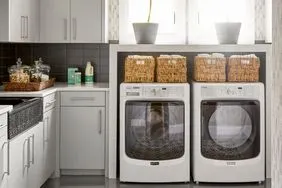
Use a large-capacity washer if possible, as it provides more space/ more water for the Handmade Quilt. I can wash Queen Quilt or King Quilts in my large home washer. Make sure to evenly load it into the machine as to not be too hard on your washer by throwing it out of balance. I Always choose a gentle cycle, (the less agitation) with plenty of water to prevent tugging and pulling. While Front-load washers work, they may not fill completely or with enough water, to allow as much room for the quilt to “float” in the water.
The weight of the quilt alone when wet, is a lot. For this reason alone I would never buy a Front Loading Machine. Saving water is great, but for these big items there needs to be equal if notmore water for them to wash/soak/float~ to not damage the quilt. The flopping around in a Front Loader ~ with half a tub of water isn’t as gentle as a Top Loading Machine. I also love the soak feature. Most quilts don’t really need to be agitated anyways. Not as much as they need time to soak and dissolve dirt and oils. letting a quilt soak for 1 hour really is the best way to lift dirt and oil. Then its all about the rinse.
Handmade quilts also last significantly longer than mass-produced bedding.
Use mild soap for washing. I prefer liquid detergent, and I always add the soap to the water before adding the quilt into the washer. Clearly never bleach your quilt, or use a soap that has it in it. But Its not so much about the soap, its more about how you use it. Never pour soap directly onto the quilt liquid or powder. Put it in the water first. This is to avoid concentrated spots of soap thats hard to rinse out, and to protect colors from fading. Quilts are thick with 3 layers, so rinsing thoroughly is essential and why you should never put soap directly onto the quilt. . Use a double rinse cycle to ensure all soap is removed. Run an extra spin cycle to shorten drying time in the dryer. I often use a product call Color Catchers to the water. Sometimes 8 to 10 of them to ensure light colors stay light. ( pic of Color Catchers) They work great!
Water Temperature/ How Often to Wash My Quilt?
Use lukewarm to cool water for washing quilts. Avoid hot water—it doesn’t clean better and can cause shrinkage, color bleeding, or fading. Don’t worry about washing your quilt; they need to be cleaned to “reset” them. Oils from skin can attract dirt over time, making the quilt harder to clean. While quilts don’t need washing as often as sheets, but waiting too long can stretch and pull them out of shape. Regular washing helps refresh the quilt and keeps the stitching and fabrics closer to their original form. Waiting too long~ is just as hard as washing them too often. . My rule of thumb is once a month.
It’s not about whether cotton can handle dry cleaning—it’s about the thread and batting.
All cotton quilt & cotton thread? Safe, but still unnecessary.
Poly wrapped cotton thread or polyester batting? Do not dry clean.
Even show quilts that use a layer of polyester batting should never be dry cleaned. Soap and water is the safest method for all quilts.
Understanding Quilt Thread
Many people assume all quilts are 100% cotton—and while most are, bed quilts often use threads with a little stretch.
Poly wrapped cotton thread: Cotton on the outside, polyester inside for flexibility and durability.
100% cotton bobbin thread: Used on the back of most quilts.
Dry cleaning chemicals can damage polyester, reducing the life of your quilt. If you’re unsure which thread your quilt has, the safest choice is to wash it yourself with mild soap and water.
Both cotton and poly-wrapped cotton threads are great—durable and safe. Here’s a look at each type:
When in doubt, wash by hand or machine with mild soap and water
Medium to low heat only when drying
Extra spin cycle before drying = faster, safer drying
Check & shake the quilt periodically for even drying
Skip dry cleaning unless 100% cotton inside and out
Has My Quilt Been Washed Before Purchase?
It’s a great question—and one most people don’t think to ask.
When it comes to handmade quilts, there are a few possibilities:
The fabric may have been pre-washed before sewing
The finished quilt may have been washed after completion
Or both
There’s no single “right” way—quilters have strong opinions on this, and both approaches are valid.
My approach is simple: I pre-wash everything.
Today, most fabrics are imported and treated during shipping with chemicals to prevent moisture, pests, and damage. I personally don’t love the idea of working with (or breathing in) unwashed fabric all day, so I choose to wash it first.
Interestingly, years ago quilts were often made from recycled materials—old clothing, grain sacks, and fabrics that had already been washed many times. That’s very different from modern, newly manufactured fabric.
Color Safety Pre-washing helps prevent color bleeding. I’ve seen darker fabrics bleed into lighter ones, and it can ruin a quilt. Washing first helps reduce that risk.
Pre-Shrinking Fabric naturally shrinks when washed. Pre-washing minimizes that shrinkage later, so your quilt holds its size better over time.
I also wash my quilts after they’re finished. So by the time your quilt arrives, it’s already been washed twice—yours will be the third.
At that point, most shrinkage has already happened. It’s a win-win.
Will My Handmade Quilt Shrink?
The honest answer is: yes, it can—but how much depends on the fabric and how it was made.
If a quilt is made with unwashed fabric, shrinkage is more noticeable after the first wash.
What to Expect
Shrinkage can range anywhere from 3 to 10 inches total
It happens in both width and length
Quilts almost always shrink more in width than length
That last part surprises a lot of people.
Why Quilts Shrink Unevenly
Fabric has a natural “bias” (the diagonal direction of the weave), and it tends to pull more along that line when washed. That’s why quilts often lose more width than length.
It’s something I learned over time—especially after seeing how much size could change after washing.
How I Account for This
Because of this, I make my King-size quilts square to start.
After washing and natural shrinkage, they settle into the more familiar rectangular shape of a bed—without ending up too small.
And of course, using high-quality fabric makes a difference too. Better fabric = more stable results.
What if I have Pets on My Quilt? / Is it Ok To Have Your Pets on a Handmade Quilt?
Well because I love pets I would answer , how could you NOT? ha~` But my advice is keep their NAIL trimmed. They use of their nails when the jump ONTO the bed is the hardest on a quilt. Once they are up, them being on the quilt doesn’t hurt it. Jumping up on it, with rough sharp nails is bad. ( yes for cats too) They love to grab on an lift up , snagging the thread.
Pets Love Handmade Quilts!
What I would say if your debating on buying a Handmade Quilt and have dogs or cats~ or both is pick a pattern that isn’t a bunch of small pieces with zillions of seams. And tell the quilter! The quilter can do things to make it stronger, or best yet use MORE QUILTING on it. A densely quilted quilt will last twice as long as a Softer Wider spaced Quilting will. Both are good Quilting options, for different reasons ( im going to make a post on the actual Quilting soon), but if you have Pets, you want more quilting and tight stitched seams. And let the quilter know! We all know there no stopping your pets, so you have to bake it into the cake so to say. 🙂
How Often Should You Wash a Handmade Quilt?
Handmade quilts do not need frequent washing. In most homes, washing a quilt once or twice per year is enough unless it becomes visibly soiled. Gentle care helps preserve the fabric and stitching so the quilt can last for decades.
Anyhoo…. That’s my humble but experienced opinion, on How to maintain a Beautiful Handmade Quilt, and to use in real life! Taking a little extra care will ensure your quilt will be around for many years to come.
Subscribe to my News Letter, to see my current work, and if your interested is seeing how quilts come to be. Its mostly a photo blog, as writing these long form articles is not really my thing. But I do get asked a LOT about this, so now I have a place where I can share it. You can find more of my work on My Pinerest
Browse Quilt Styles
One of my most popular custom designs is the Jelly Bean Quilt—a playful, modern pattern that can be made in a wide range of color palettes.
Q: Can handmade quilts be machine washed? Yes! I make my quilts to be fully washable. The safest method is cold water on a gentle cycle with a mild detergent. This protects the stitching and helps colors stay bright for years.
Q: How often should I wash a handmade quilt? I recommend about once a month. Regular washing helps reset the fabric stretch and keeps the quilt fresh. In between, a quick spot clean is enough if there are only small spills or marks.
Q: What is the best way to dry a handmade quilt? My quilts are designed for convenience—you can tumble dry on low heat. I don’t recommend dryer balls or tennis balls with patchwork, since they can create extra friction on the seams. Just keep it low and gentle, and your quilt will dry beautifully.
Q: What detergent works best for handmade quilts? A mild, dye-free, fragrance-free detergent is always best. Harsh soaps and fabric softeners can leave residue, fade colors, or break down the fibers over time.
One of the most common questions people ask when considering a handmade quilt is simple: how long should a handmade quilt last?
The answer may surprise you. A well-made handmade quilt can last decades, and often generations, when it is made with quality materials and cared for properly. In fact, many antique quilts that are over 100 years old are still treasured and used today.
Understanding what affects a quilt’s lifespan can help you see why handmade quilts are often considered heirloom pieces rather than temporary bedding.
The Difference Between Handmade Quilts and Mass-Produced Quilts
Most mass-produced quilts found in big box stores are designed to be affordable and decorative. They are often made with thinner fabrics, synthetic materials, and lighter stitching meant to keep costs low.
Handmade quilts, on the other hand, are created very differently.
A quality handmade quilt typically includes:
• durable cotton fabrics • carefully selected batting • dense quilting stitches that hold the layers together • careful construction that prevents shifting or wear
These details make a huge difference in how long a quilt will hold up with regular use.
Handmade quilts often outlast factory bedding. I explain the difference in this article:
Historically, quilts were made to be used every day. Families slept under them for warmth, washed them regularly, and often passed them down through the family.
Many antique quilts found today were made in the late 1800s and early 1900s, yet they still remain intact. This is because traditional quilt making focuses on durability as much as beauty.
The combination of layered fabrics, strong stitching, and quality cotton materials allows handmade quilts to withstand years of use.
When properly cared for, a handmade quilt can easily last 30, 40, or even 50 years or more.
Several factors determine the lifespan of a quilt.
Fabric Quality
High-quality cotton fabrics tend to age better than thinner or synthetic materials.
Batting Choice
The batting inside the quilt affects both durability and comfort. Different battings create different levels of warmth, loft, and longevity. More on Quilt Batting options
Quilting Density
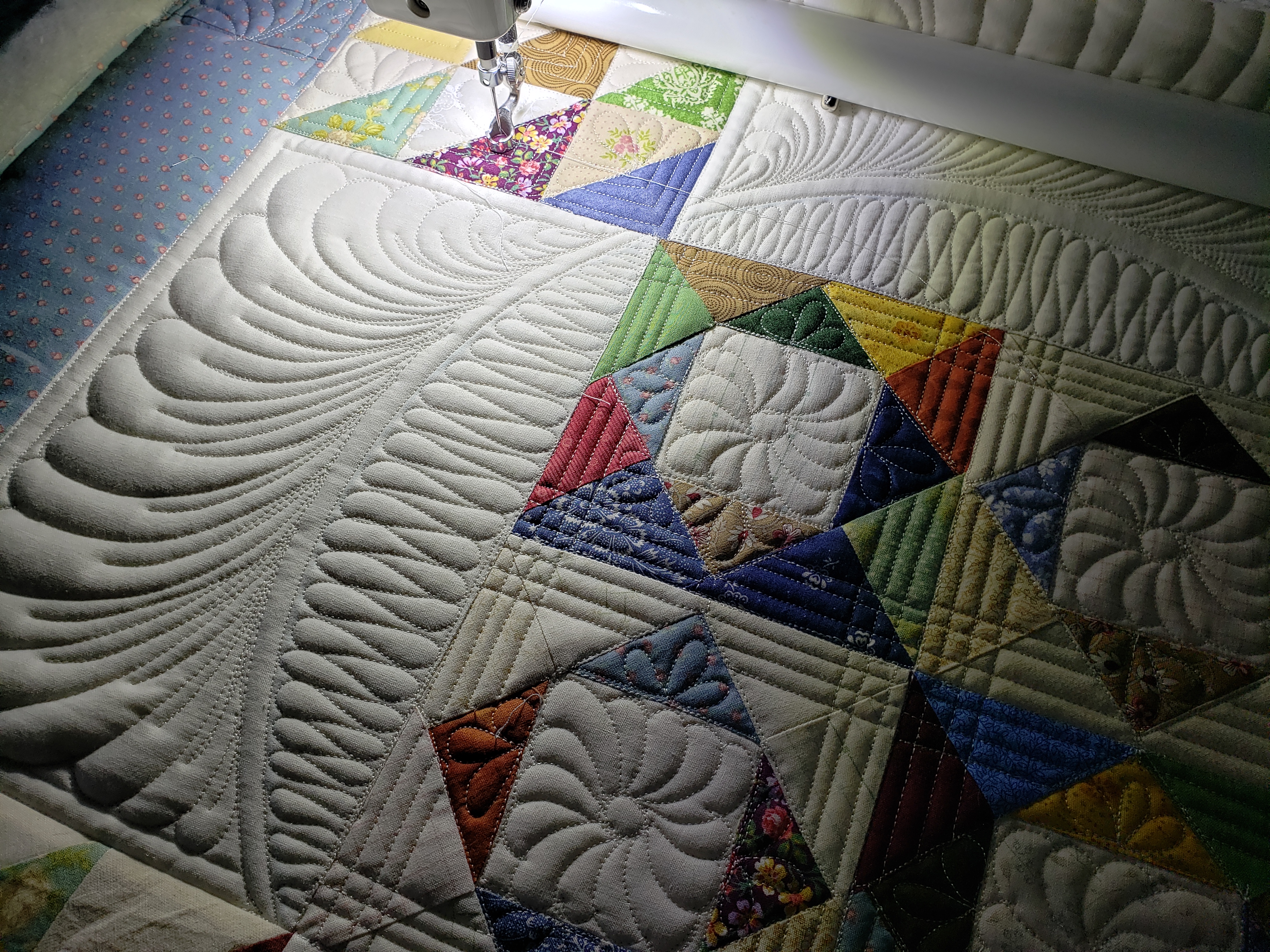
The stitching pattern that holds the quilt together helps prevent the layers from shifting or wearing unevenly over time. This is where my quilts stand out. I LOVE to put thread to the layers. So for those who appreciate that aspect generally know great quilting when they see it. I generally do 14 stitches per inch, and I do a lot of it. 🙂
Proper Care
Even the best quilt benefits from proper washing and gentle care.
If you are unsure about cleaning your quilt, you can read more in my guide on How to Wash a Handmade Quilt.
Handmade Quilts Are Made to Be Used
Some people worry about using a handmade quilt because they don’t want to damage it. In reality, quilts were traditionally made to be used, loved, and lived with every day.
The soft texture that develops over time is actually part of what makes a handmade quilt special. With normal use and occasional washing, a quilt becomes even more comfortable as the years pass.
Choosing a Quilt That Will Last
When selecting a quilt, quality construction and materials make all the difference. A well-crafted quilt can become part of your home for decades and may even become something you pass down to future generations.
If you are considering adding a handmade quilt to your home, you can explore my collection of handmade quilts for sale or learn more about ordering a custom quilt designed just for you.
Or explore made-to-order handmade quilts where you can choose fabrics and batting to create a quilt that fits your home perfectly.
A Quilt That Becomes Part of Your Story
Unlike many household items that are replaced every few years, a handmade quilt is something that can stay with you for decades. With proper care, it may even become part of your family’s history.
That is one of the reasons handmade quilts continue to be treasured today — they are not just bedding, but lasting pieces of craftsmanship meant to be used and enjoyed for generations.
Sometimes the smaller quilts can be just as fun as the big ones.
New in Handmade Quilts this week!
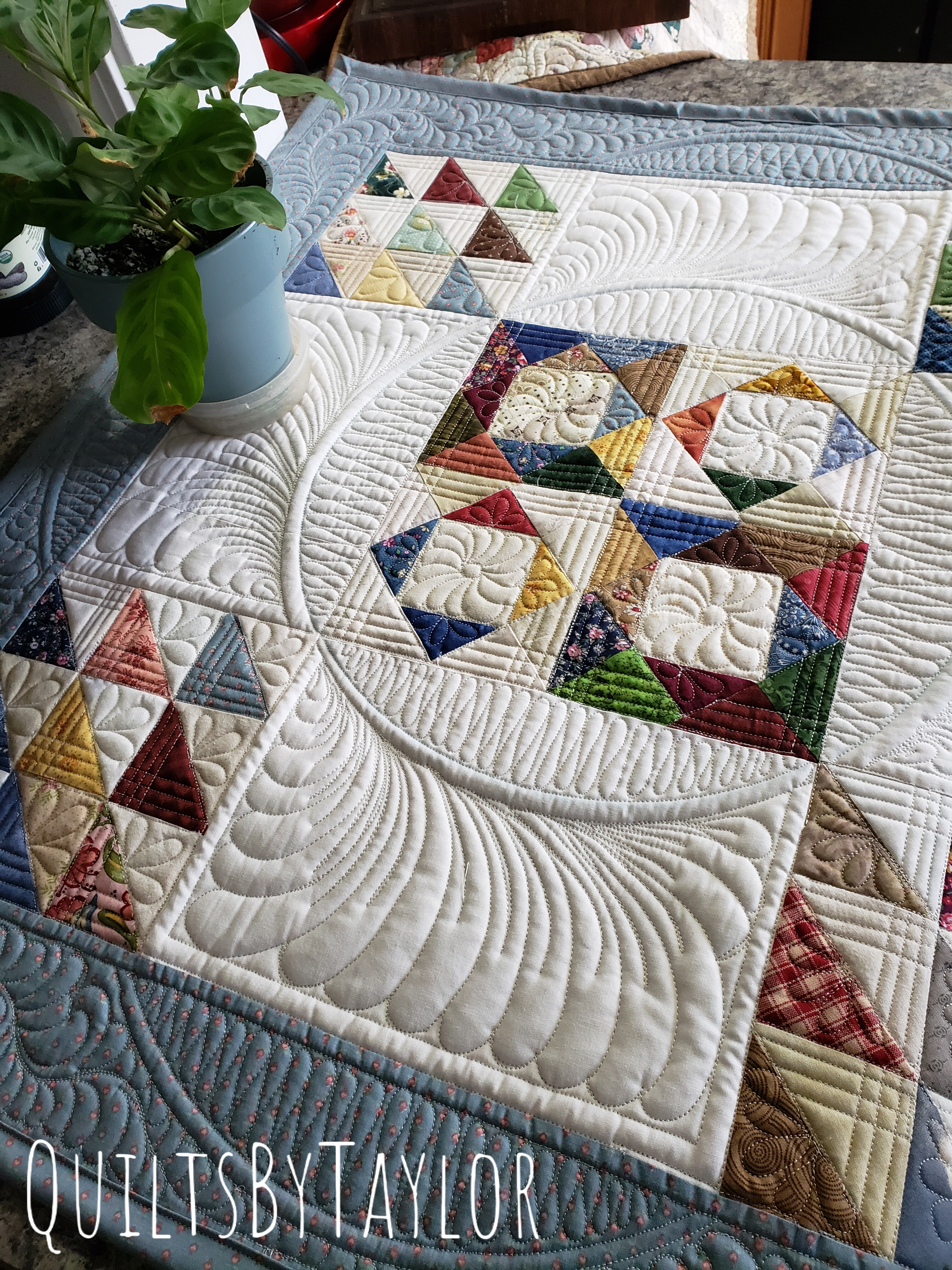
This week I finished a few new handmade quilt toppers that are perfect for adding a little cozy charm around the house. Small quilts like these are wonderful for decorating a dining table, placing under a favorite plant, or adding a bit of patchwork warmth to a coffee table.
Two of the new pieces are made with Civil War reproduction fabrics, ( 2 available) which I always love working with. These prints have such a timeless feel and bring that classic country quilt style into any room. The Kalidascope quilt topper has rich, historic colors that really highlight the patchwork design.
If you enjoy Civil War style quilts, I also make larger handmade quilts using these same beautiful fabrics, so you can carry that classic look from a small accent piece all the way to your bed quilt.
I also finished a mini Log Cabin quilt topper, ( 2 new ones) which is one of those traditional quilt patterns that never goes out of style. Log Cabin quilts have been loved for generations, and this smaller version is a fun way to bring that classic design into everyday home décor.
Just like the Civil War quilts, I also create larger Log Cabin quilts, so if you fall in love with the pattern there are bigger handmade quilts available as well.
I really enjoy making these smaller pieces because they’re so versatile. A mini quilt or table topper can move around your home easily — one week it might be on the dining table, and the next it could be brightening up a coffee table or side table.
And of course, every piece I make is still created with the same care as my larger quilts. These handmade quilts are stitched to last, whether they are decorating your home or becoming part of everyday use.
If you’d like to see the 4 newest quilts I’ve added to the shop, you can explore them here:
I have changed the landing page of my site, lets hope it works ok after I ” fixed it”…. haha~ woe is me trying to keep up with the new Tec stuff. ( not my wheelhouse) but I did some improvements for the phone users 🙂
Im ecited to have 2 new decor Listings up today, and Im working on making some new ones for the popular ones that sold fast.
Civil War Style Topper/ Take 2
Im working on another version of one of my favorites. Someone asked me if I could make it again, and although its not exact its very close. I got lucky and had the border fabrics. Its a beautiful dusty blue, gives it a vintage vibe.
It has such a cool quilting pattern on it, So fun for me!
The link here is still showing sold out…. But look for it soon to be avaiable again. Civil War Table Topper
Handmade Quilts/ Irish Chain Quilt
And I have This new Blue Irish Chain styled topper. Its also got some nice quilting on it. Would look great on a coffee table, or in the kitchen. I wasnt sure what to put on the back, since its rarely seen. But I went with a wildlife fabric that might be nice for other occasions. Blue and Cream Irish Chain Table Topper
Thiis smaller square in a squre one was a added bonus quilt I just finished, thought about keeping it, but I feel that way about all my quilts…. and I have plenty. LOL This one might look good under a lamp or end table.