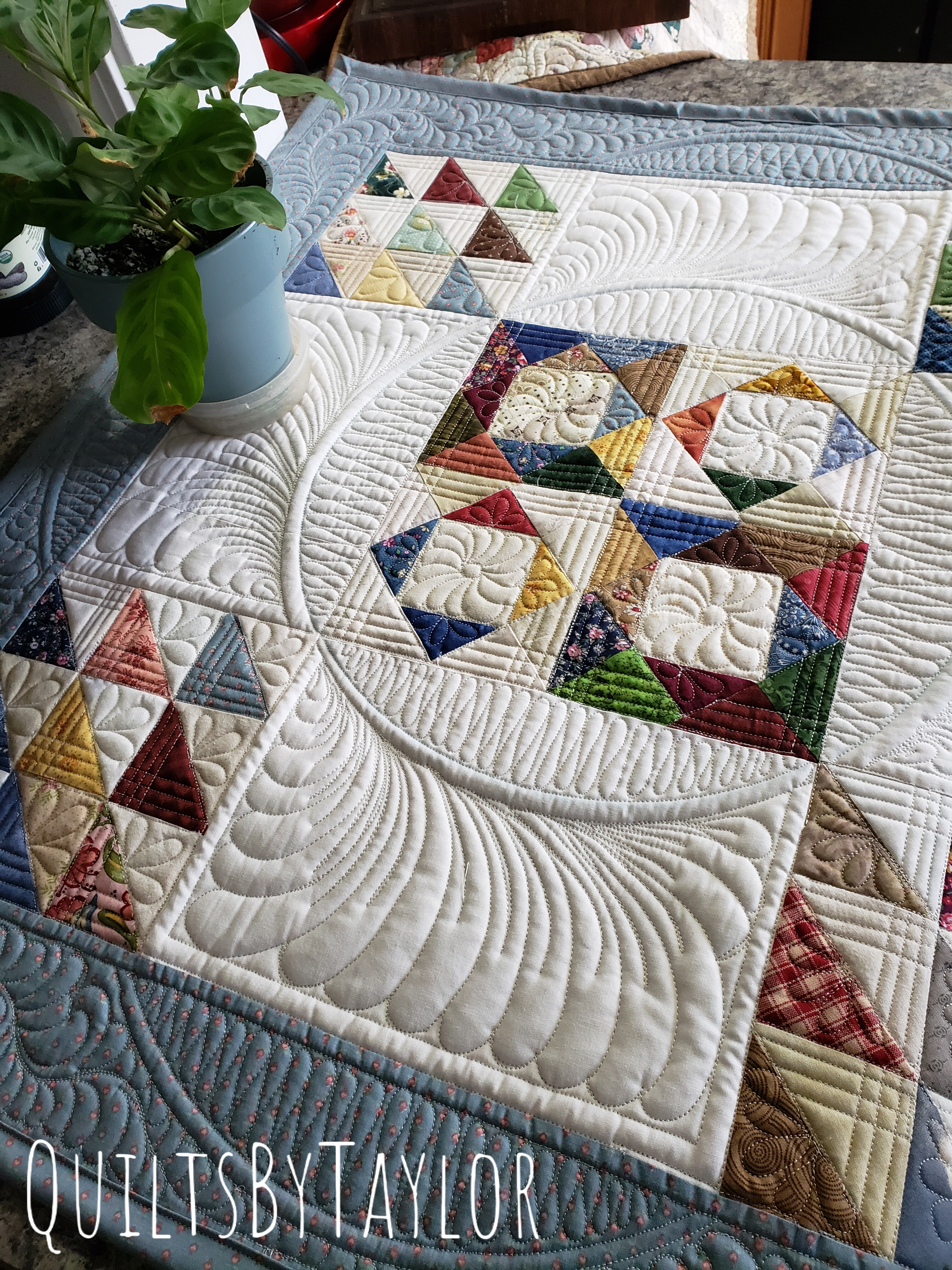
Posted on Leave a comment

Can I Dry my Clean My Quilt? Should I Dry Clean My Quilt?/ Quilts By Taylor

should I dry clean my quilts

Can I Dry Clean My Quilt / Quilt Care/Can I Dry Clean my Quilt/Sustainable Quilt Care/Natural Quilt Care

The Short Answer:

You can, but you probably shouldn’t. meaning…. <NO> you shouldn’t. and here’s why~

Can You Dry Clean a Quilt? (Here’s the Truth)

You can dry clean a quilt—but that doesn’t mean you should.

For most handmade quilts, especially cotton ones, dry cleaning can slowly weaken the stitching over time.

The better option?

Simple, gentle washing with water.

Explore More About Handmade Quilts

If you’re learning more about caring for or buying a handmade quilt, these guides will help you get the most out of your investment:

🧼 Quilt Care & Washing Guide
Learn how to wash handmade quilts safely, how often to clean them, and how to keep them looking beautiful for years.
How to Wash Handmade Quilts

🛒 How to Buy a Handmade Quilt
A complete guide to choosing, designing, and ordering a handmade quilt that fits your home and style.
👉 How to Buy a Handmade Quilt

How To Wash A Quilt / ~ Finished Quilts / ~Custom Made Quilts


Dry cleaning won’t instantly ruin your quilt — but repeated chemical exposure can slowly weaken certain types of quilting threads. Not to mention the chemicals being pumped into our waterways.

Key Takeaways

  • Can you dry clean a quilt? Technically yes — but repeated cleaning may damage the stitching over time.
  • Cotton fabrics are safe, but poly-wrapped quilting threads are vulnerable to dry-cleaning solvents.
  • One cleaning won’t destroy it, but don’t make it routine.
  • Water washing is best for cotton quilts, whether at home or with a cleaner who offers wet-wash services.
  • Natural fibers prefer natural cleaning methods.

Learn More About Handmade Quilts

If you’re learning more about caring for or buying a handmade quilt, these guides will help you get the most out of your investment:

🧼 Quilt Care & Washing Guide
Learn how to wash handmade quilts safely, how often to clean them, and how to keep them looking beautiful for years.
👉 How to Wash Handmade Quilts

🛒 How to Buy a Handmade Quilt
A complete guide to choosing, designing, and ordering a handmade quilt that fits your home and style.
👉 How to Buy a Handmade Quilt

Why Thread Matters More Than Fabric

Most of my quilts use:

  • 100% cotton fabrics (front and back)
  • 100% cotton thread on the back
  • A premium cotton/poly wrapped thread on top

That little poly wrap on the top thread gives the quilting just the right amount of stretch. Without it, stitches can “pop” when the quilt is used, folded, or sat on.

Dry-cleaning chemicals break down synthetics (like polyester) much faster than cotton. Over time, the poly wrap can weaken… and once the thread weakens, the stitching follows.

If you would like my FULL ARTICLE on >>>> How To Wash A Quilt <<

Many people search “Can I dry clean my quilt?” because it sounds like a safe, gentle way to freshen up a treasured quilt without getting it wet. While this might make sense on the surface, for most handmade quilts — especially cotton ones — dry cleaning is not recommended.

Why I Don’t Recommend Dry Cleaning

Can I Dry Clean My Quilt/ Should I Dry Clean My Quilt/ How To Wash A Quilt

Take it to a cleaner who offers “wet washing.”

This is ideal for:

  • large quilts
  • heavy quilts
  • quilts that need extra rinse space

If your quilt has just a small stain, a gentle spot clean with mild soap and cool water is often enough. This can save a full wash and reduce wear on fibers.

He for colorfastness), dry cleaning can slowly break down the quilt’s integrity. Natural fibers deserve natural care.

So… Should You Dry Clean a Quilt?

The short answer is simple:

You can—but for most handmade quilts, it’s not the best choice.

Dry cleaning uses chemical solvents that are designed for synthetic fabrics, not natural fibers like cotton. Over time, those chemicals can weaken stitching and shorten the life of your quilt.

That’s why most quilt care recommendations come back to the same thing:

👉 gentle washing with water is safer, more effective, and better for long-term use.


What This Means for Your Quilt

If you’re investing in a handmade quilt, you want it to last.

The best care is also the simplest:

• Mild detergent
• Cool water
• Gentle handling
• Low heat or air drying

That’s it.

No complicated process—just treating it with the same care it was made with.


Thinking About Buying a Handmade Quilt?

Understanding how to care for a quilt is part of choosing the right one.

If you’re looking for a quilt that’s made to be used, washed, and enjoyed for years, you can browse what’s currently available here:

👉 Shop Finished Quilts

Or if you want something made just for your space:

👉 Explore Made-To-Order Quilts


Want First Access Before They Sell?

Some quilts never make it to the shop.

👉 Join my email list for early access and flash sale pricing

FAQ

Can I dry clean a vintage quilt?

Not recommended. Older threads are far more fragile and don’t tolerate chemicals well. Hand Wash/ Hand Dry

Can I dry clean a whole-cloth quilt?

Still not ideal. Even simple whole-cloth quilts use threads that may contain poly

. More On High Quality Quilts >>> Why Handmade Quilts Are So Expensive <<<

What if my quilt has stains?

Spot clean with mild detergent + water first. If you must use a professional cleaner, choose one that offers wet cleaning.

Will dry cleaning destroy the colors?

Not usually — it’s the thread that’s the concern, not the fabric dye.

Can I Dry Clean My Quilt/ How To Wash A Quilt/ Quilt Care

Natural Materials Prefer Natural Cleaning

Cotton is a natural fiber. It’s happiest with:

  • gentle detergent
  • water
  • Drying in Dryer on low setting to about 80% dry
  • then hang dry the last 20%

Chemical solvents are the opposite of what cotton thrives in ~~ full details on How To Wash A Handmade Quilt

Eco + Quilt Care: Nature Over Chemicals

Just as I choose 100% cotton fabrics for comfort and sustainability, I recommend cleaning methods that are gentle on both quilts and the planet. Natural fibers like cotton are biodegradable and safe — even if a quilt ever reaches the end of its long life, it won’t leave behind toxic residues in a landfill.

So while modern cleaners may use detergents and chemicals with buzzwords like “eco” on the label, the simplest care — mild soap, cold water, gentle handling, and air drying — is often best for quilts made with natural materials.

A Personal Note From Me as the Maker

As someone who’s been quilting for years, I want my work to last a lifetime. Cotton is not plastic — it breaks down naturally, safely, and without toxic chemicals. That’s one of the reasons I choose it.

Dry cleaning isn’t evil; it’s just unnecessary for cotton quilts, and over time it can do more harm than good. A gentle

wash in cool water with mild detergent is almost always the best answer.

FAQ

This helps Google show your article as a featured snippet for common searches:

Q: Can I dry clean a cotton quilt?
A: Most quilt experts discourage dry cleaning cotton quilts, because the solvents used can degrade fibers and stitching over time. Gentle wet cleaning with mild soap and water is usually safer. The Quilt Room

Q: What’s the best way to clean a cotton quilt?
A: Use a large tub or gentle machine cycle with cold or cool water and mild detergent, then air dry flat. Spot clean small stains as needed for best results. theheirloomindustry

Q: Are dry cleaners safe for antique quilts?
A: For truly fragile or antique quilts, consult a textile conservator first — even dry cleaning can be too harsh for fragile fibers. National Quilters Circle

Follow More of My Work On Pinterest

Contact Me

Finished Quilts For Sale / Made To Order Quilts

Quilted Home Decor items

Reviews / Subscribe

Quilting Blog/ Quilts By Taylor

Views: 59

Posted on 1 Comment

How to Wash a Handmade Quilt / Safely (Without Damaging It) Quilts By Taylor

How to Wash a Handmade Quilt Safely (Without Damaging It)

Wondering how to safely wash a handmade quilt without damaging it? You’re not alone—this is one of the most common questions I get.

Quilts for Sale/    ~Handmade Quilts/   ~Finished Quilts/    ~Homemade Quilts/   ~Custom Made Quilts

Want to Browse how each handmade quilt is created? Visit my BLOG to browse over 140 posts,

Or explore handmade quilts for sale > and within most of the listings~ are the matching blog posts for that pattern 🙂

Handmade quilts are meant to be used and loved, and with the right care, they can last for generations. This guide walks you through simple, safe steps to wash, dry, and care for your quilt while protecting the fabric, stitching, and overall quality. “Some quilts sell before they’re ever listed — get early access here”
Join my email list here.

Quick Answer:
Yes, most handmade quilts can be machine washed on a gentle cycle using cold water and mild detergent. Always avoid harsh settings, and air dry or tumble dry low to protect the quilt’s structure.

How to Wash a Handmade Quilt

Yes, most handmade quilts can be safely washed in a large washing machine using COLD water and a gentle cycle. Mild detergent and low heat drying help protect the cotton fabrics and stitching. Always check the quilt for delicate fabrics before washing.

Drying Your Quilt the Right Way

  • Air dry preferred
  • Or tumble dry low
  • Avoid high heat

Should I dry Clean My Quilt?

If you would like to read more on that>>>>>>> Can I Dry Clean My Quilt ?

Can You Wash a Quilt in a Washing Machine?

  1. Wash in cold water
  2. Use a gentle cycle with mild detergent
  3. Tumble dry on low heat (no dryer balls)
  4. Wash about once a month to refresh fabrics
  5. Spot clean between washes to extend life

👉 Below, you’ll find my complete guide with detailed tips for keeping handmade quilts fresh without risking wear or fading.

Color Catchers are great to put in the WASHER, if your afraid of color bleeding 🙂 Used them for years they are great!

Large Washer capacity

Use a large-capacity washer if possible, as it provides more space/ more water for the Handmade Quilt. I can wash Queen Quilt or King Quilts in my large home washer. Make sure to evenly load it into the machine as to not be too hard on your washer by throwing it out of balance. I Always choose a gentle cycle, (the less agitation) with plenty of water to prevent tugging and pulling. While Front-load washers work, they may not fill completely or with enough water, to allow as much room for the quilt to “float” in the water.

The weight of the quilt alone when wet, is a lot. For this reason alone I would never buy a Front Loading Machine. Saving water is great, but for these big items there needs to be equal if notmore water for them to wash/soak/float~ to not damage the quilt. The flopping around in a Front Loader ~ with half a tub of water isn’t as gentle as a Top Loading Machine. I also love the soak feature. Most quilts don’t really need to be agitated anyways. Not as much as they need time to soak and dissolve dirt and oils. letting a quilt soak for 1 hour really is the best way to lift dirt and oil. Then its all about the rinse.

Handmade quilts also last significantly longer than mass-produced bedding.

You can read more of my thoughts about that here: Handmade Quilts vs Store-Bought Bedding.

Detergents to use when Washing

Use mild soap for washing. I prefer liquid detergent, and I always add the soap to the water before adding the quilt into the washer. Clearly never bleach your quilt, or use a soap that has it in it. But Its not so much about the soap, its more about how you use it. Never pour soap directly onto the quilt liquid or powder. Put it in the water first. This is to avoid concentrated spots of soap thats hard to rinse out, and to protect colors from fading. Quilts are thick with 3 layers, so rinsing thoroughly is essential and why you should never put soap directly onto the quilt. . Use a double rinse cycle to ensure all soap is removed. Run an extra spin cycle to shorten drying time in the dryer. I often use a product call Color Catchers to the water. Sometimes 8 to 10 of them to ensure light colors stay light. ( pic of Color Catchers) They work great!

Water Temperature/ How Often to Wash My Quilt?


Use lukewarm to cool water for washing quilts. Avoid hot water—it doesn’t clean better and can cause shrinkage, color bleeding, or fading. Don’t worry about washing your quilt; they need to be cleaned to “reset” them. Oils from skin can attract dirt over time, making the quilt harder to clean. While quilts don’t need washing as often as sheets, but waiting too long can stretch and pull them out of shape. Regular washing helps refresh the quilt and keeps the stitching and fabrics closer to their original form. Waiting too long~ is just as hard as washing them too often. . My rule of thumb is once a month.

Should I Dry Clean My Quilt?

Short answer: No. You can read more >> Should I dry Clean My Quilt

It’s not about whether cotton can handle dry cleaning—it’s about the thread and batting.

  • All cotton quilt & cotton thread? Safe, but still unnecessary.
  • Poly wrapped cotton thread or polyester batting? Do not dry clean.

Even show quilts that use a layer of polyester batting should never be dry cleaned. Soap and water is the safest method for all quilts.


Understanding Quilt Thread

Many people assume all quilts are 100% cotton—and while most are, bed quilts often use threads with a little stretch.

  • Poly wrapped cotton thread: Cotton on the outside, polyester inside for flexibility and durability.
  • 100% cotton bobbin thread: Used on the back of most quilts.

Dry cleaning chemicals can damage polyester, reducing the life of your quilt. If you’re unsure which thread your quilt has, the safest choice is to wash it yourself with mild soap and water.

Both cotton and poly-wrapped cotton threads are great—durable and safe. Here’s a look at each type:

Join my email list here. ~ check your spam box for the confirmation~

Flash Sales/ Subscribers Only

Custom Made Quilts | Handmade Cotton Quilts King & Queen

Handmade Quilts for Sale – Custom Ready-Made Quilts~ Quilts By Taylor~


Quick Tips Recap

When in doubt, wash by hand or machine with mild soap and water

Medium to low heat only when drying

Extra spin cycle before drying = faster, safer drying

Check & shake the quilt periodically for even drying

Skip dry cleaning unless 100% cotton inside and out

Has My Quilt Been Washed Before Purchase?

It’s a great question—and one most people don’t think to ask.

When it comes to handmade quilts, there are a few possibilities:

  • The fabric may have been pre-washed before sewing
  • The finished quilt may have been washed after completion
  • Or both

There’s no single “right” way—quilters have strong opinions on this, and both approaches are valid.

My approach is simple: I pre-wash everything.

Today, most fabrics are imported and treated during shipping with chemicals to prevent moisture, pests, and damage. I personally don’t love the idea of working with (or breathing in) unwashed fabric all day, so I choose to wash it first.

Interestingly, years ago quilts were often made from recycled materials—old clothing, grain sacks, and fabrics that had already been washed many times. That’s very different from modern, newly manufactured fabric.

Civil War Styled Quilt Collection

check out other patterns!

Civil War Collection Page

Made To Order Stars

Made To Order Squares

Why Pre-Washing Matters

There are two big benefits:

Color Safety
Pre-washing helps prevent color bleeding. I’ve seen darker fabrics bleed into lighter ones, and it can ruin a quilt. Washing first helps reduce that risk.

Pre-Shrinking
Fabric naturally shrinks when washed. Pre-washing minimizes that shrinkage later, so your quilt holds its size better over time.

I also wash my quilts after they’re finished.
So by the time your quilt arrives, it’s already been washed twice—yours will be the third.

At that point, most shrinkage has already happened. It’s a win-win.


Will My Handmade Quilt Shrink?

The honest answer is: yes, it can—but how much depends on the fabric and how it was made.

If a quilt is made with unwashed fabric, shrinkage is more noticeable after the first wash.

What to Expect

  • Shrinkage can range anywhere from 3 to 10 inches total
  • It happens in both width and length
  • Quilts almost always shrink more in width than length

That last part surprises a lot of people.

Why Quilts Shrink Unevenly

Fabric has a natural “bias” (the diagonal direction of the weave), and it tends to pull more along that line when washed. That’s why quilts often lose more width than length.

It’s something I learned over time—especially after seeing how much size could change after washing.

How I Account for This

Because of this, I make my King-size quilts square to start.

After washing and natural shrinkage, they settle into the more familiar rectangular shape of a bed—without ending up too small.

And of course, using high-quality fabric makes a difference too. Better fabric = more stable results.

What if I have Pets on My Quilt? / Is it Ok To Have Your Pets on a Handmade Quilt?

Well because I love pets I would answer , how could you NOT? ha~` But my advice is keep their NAIL trimmed. They use of their nails when the jump ONTO the bed is the hardest on a quilt. Once they are up, them being on the quilt doesn’t hurt it. Jumping up on it, with rough sharp nails is bad. ( yes for cats too) They love to grab on an lift up , snagging the thread.

Pets Love Handmade Quilts!

What I would say if your debating on buying a Handmade Quilt and have dogs or cats~ or both is pick a pattern that isn’t a bunch of small pieces with zillions of seams. And tell the quilter! The quilter can do things to make it stronger, or best yet use MORE QUILTING on it. A densely quilted quilt will last twice as long as a Softer Wider spaced Quilting will. Both are good Quilting options, for different reasons ( im going to make a post on the actual Quilting soon), but if you have Pets, you want more quilting and tight stitched seams. And let the quilter know! We all know there no stopping your pets, so you have to bake it into the cake so to say. 🙂

How Often Should You Wash a Handmade Quilt?

Handmade quilts do not need frequent washing. In most homes, washing a quilt once or twice per year is enough unless it becomes visibly soiled. Gentle care helps preserve the fabric and stitching so the quilt can last for decades.

Anyhoo…. That’s my humble but experienced opinion, on How to maintain a Beautiful Handmade Quilt, and to use in real life! Taking a little extra care will ensure your quilt will be around for many years to come.

Finished quilts / Made to order quilts/ Home Decor/ Mini Quilts

Subscribe to my News Letter, to see my current work, and if your interested is seeing how quilts come to be. Its mostly a photo blog, as writing these long form articles is not really my thing. But I do get asked a LOT about this, so now I have a place where I can share it. You can find more of my work on My Pinerest

 Browse Quilt Styles

One of my most popular custom designs is the Jelly Bean Quilt—a playful, modern pattern that can be made in a wide range of color palettes.

You can view and order your custom Jelly Bean Quilt here:
Made To Order Jelly Bean Quilt/ King or Queen

If you happen to prefer a finished quilt with no wait time, I occasionally have ready-to-ship versions available as well:
Green Jelly Bean Quilt/ Finished Ready To Ship

Rainbow Colorways / Collections

Shop Color Falls Quilt/ Made To Order Color Falls / Rainbow//

Read about Color Falls Quilts/ Rainbow Color Falls/ Blog

Read more about: Handmade Rainbow Quilt That Brings Color, Comfort, and Heirloom Quality

Read more on : Storm at Sea Quilt – Handmade, Custom Variations & Unique Designs

❓ FAQ: Washing Handmade Quilts

Q: Can handmade quilts be machine washed?
Yes! I make my quilts to be fully washable. The safest method is cold water on a gentle cycle with a mild detergent. This protects the stitching and helps colors stay bright for years.

Q: How often should I wash a handmade quilt?
I recommend about once a month. Regular washing helps reset the fabric stretch and keeps the quilt fresh. In between, a quick spot clean is enough if there are only small spills or marks.

Q: What is the best way to dry a handmade quilt?
My quilts are designed for convenience—you can tumble dry on low heat. I don’t recommend dryer balls or tennis balls with patchwork, since they can create extra friction on the seams. Just keep it low and gentle, and your quilt will dry beautifully.

Q: What detergent works best for handmade quilts?
A mild, dye-free, fragrance-free detergent is always best. Harsh soaps and fabric softeners can leave residue, fade colors, or break down the fibers over time.

Reviews/ Home

How To Order a Handmade Quilt 

Quilts By The Patterns

Views: 735