
The Best Way to Wash Handmade Quilts
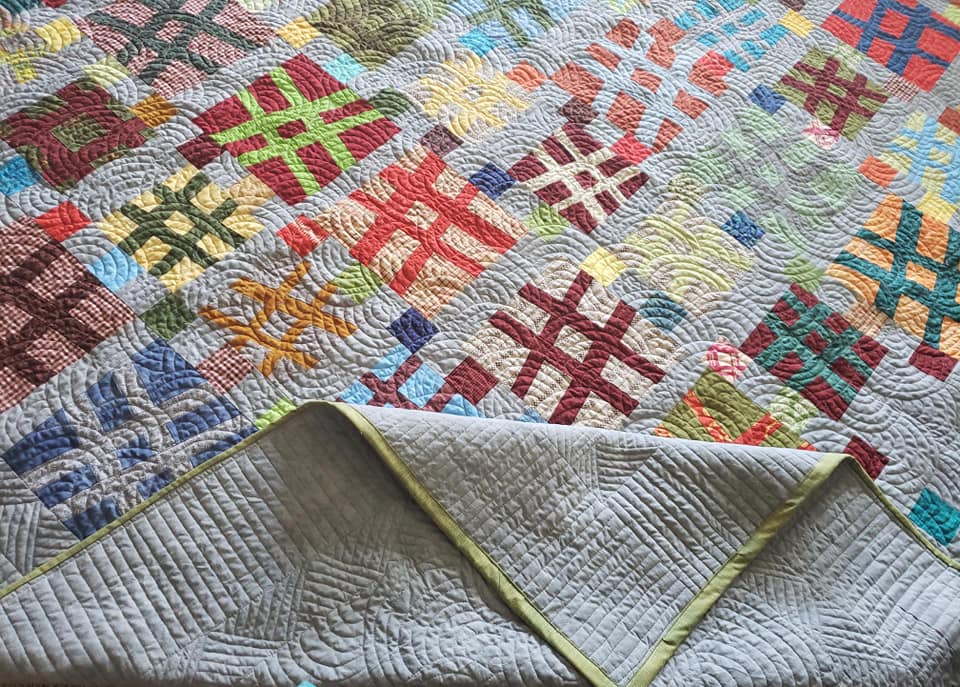
Handmade quilts are treasures, and with the right care they’ll stay soft, colorful, and strong for generations. The best way to wash handmade quilts is simple: cold water, gentle detergent, and air drying whenever possible. Avoid harsh chemicals and treat your quilt gently, and it will reward you with comfort and beauty for decades.
Should I dry Clean My Quilt?
If you would like to read more on that>>>>>>> Can I Dry Clean My Quilt ?
Quick Steps: Washing Handmade Quilts
- Wash in cold water
- Use a gentle cycle with mild detergent
- Tumble dry on low heat (no dryer balls)
- Wash about once a month to refresh fabrics
- Spot clean between washes to extend life
Finished Quilts / Made To Order Quilts / Contact Me
👉 Below, you’ll find my complete guide with detailed tips for keeping handmade quilts fresh without risking wear or fading.
My response to: ” follow the washing tags”
I did some reading up on what others say about this, and if they say “read the label” for washing instructions for Handmade Quilt>< It Then means, Its not a Handmade Quilt! We don’t put washing labels on Quilts! Nor are there Bar Codes on them, so you scan with your phones! 🙂 That made me laugh. Read the label….. ok~ As a Life Long Quilter, Here’s my advice or ~~My Washing Label:
Large Washer capacity
Use a large-capacity washer if possible, as it provides more space/ more water for the Handmade Quilt. I can wash Queen Quilt or King Quilts in my large home washer. Make sure to evenly load it into the machine as to not be too hard on your washer by throwing it out of balance. I Always choose a gentle cycle, (the less agitation) with plenty of water to prevent tugging and pulling. While Front-load washers work, they may not fill completely or with enough water, to allow as much room for the quilt to “float” in the water. The weight of the quilt alone when wet, is a lot. For this reason alone I would never buy a Front Loading Machine. Saving water is great, but for these big items there needs to be equal if not more water for them to wash/soak/float~ to not damage the quilt. The flopping around in a Front Loader ~ with half a tub of water isn’t as gentle as a Top Loading Machine. I also love the soak feature. Most quilts don’t really need to be agitated anyways. Not as much as they need time to soak and dissolve dirt and oils. letting a quilt soak for 1 hour really is the best way to lift dirt and oil. Then its all about the rinse.
Detergents to use when Washing
Use mild soap for washing. I prefer liquid detergent, and I always add the soap to the water before adding the quilt into the washer. Clearly never bleach your quilt, or use a soap that has it in it. But Its not so much about the soap, its more about how you use it. Never pour soap directly onto the quilt liquid or powder. Put it in the water first. This is to avoid concentrated spots of soap thats hard to rinse out, and to protect colors from fading. Quilts are thick with 3 layers, so rinsing thoroughly is essential and why you should never put soap directly onto the quilt. . Use a double rinse cycle to ensure all soap is removed. Run an extra spin cycle to shorten drying time in the dryer. I often use a product call Color Catchers to the water. Sometimes 8 to 10 of them to ensure light colors stay light. ( pic of Color Catchers) They work great!
Water Temperature/ How Often to Wash My Quilt?
Use lukewarm to cool water for washing quilts. Avoid hot water—it doesn’t clean better and can cause shrinkage, color bleeding, or fading. Don’t worry about washing your quilt; they need to be cleaned to “reset” them. Oils from skin can attract dirt over time, making the quilt harder to clean. While quilts don’t need washing as often as sheets, but waiting too long can stretch and pull them out of shape. Regular washing helps refresh the quilt and keeps the stitching and fabrics closer to their original form. Waiting too long~ is just as hard as washing them too often. . My rule of thumb is once a month.
Drying Your Handmade Quilt
Absolutely you can dry your quilt, but never on high setting. Med to low heat is best. I would strongly suggest a second spin cycle in the washer first. Doing an extra spin cycle can cut the dry time in half. And is easier on your dryer, not making it work too hard. And just throwing it in there and not checking on it will result in uneven drying. Meaning big quilts get balled up in there and the result is the outside is dry , yet the middle is still wet. I actually check in the beginning about every 10 minutes. Take it out of the dryer and loosen it up and shift it around so that it can dry more evenly. This is especially important with King Quilts. You can take them to the laundry mat and use a commercial sized dryer too , but I know for most people, like me I don’t like trusting publicly used machines. So shifting and checking on a quilt during dry time is very helpful, and I might argue a must.
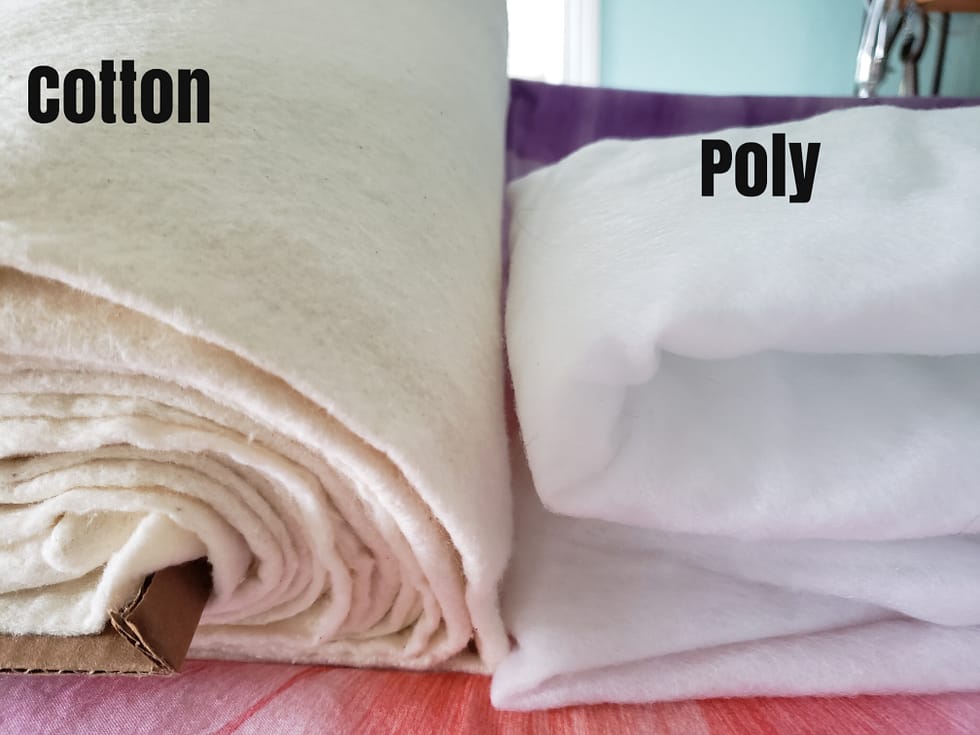
Should I Dry Clean My Quilt? What’s My Quilt Made of? Cotton?
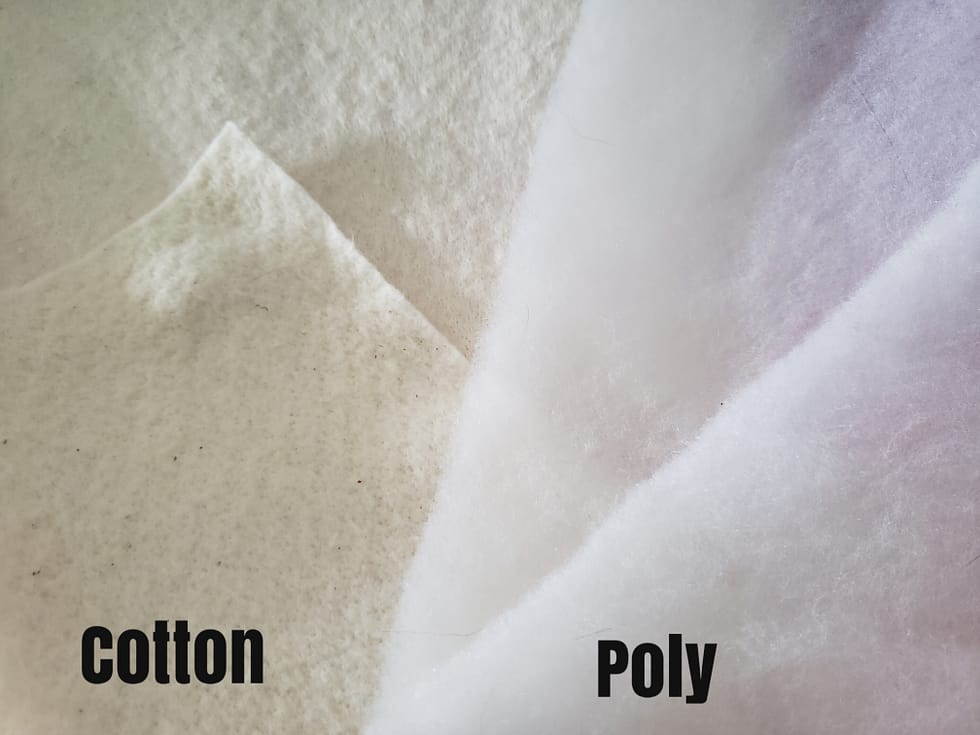
My answer to this is Never. and not for the reason you might think ~ Its about it being hard on the thread. The quilt is all cotton, its fine to dry clean. And if your THREAD is all cotton then its fine also. If your Thread is NOT all cotton then its NOT ok to Dry Clean. If Your Batting is Polyester It is NOT ok to dry clean. And I might note/ some of the best show quilts are double batted, to include a layer of Poly Batting,. ~~you would not dry clean it even if it is a show quilt if it has a poly batting.. Unless you know the WHOLE quilt is cotton inside and out/ best to not dry clean it. Soap and water works best for all quilts.
What’s with the Thread?
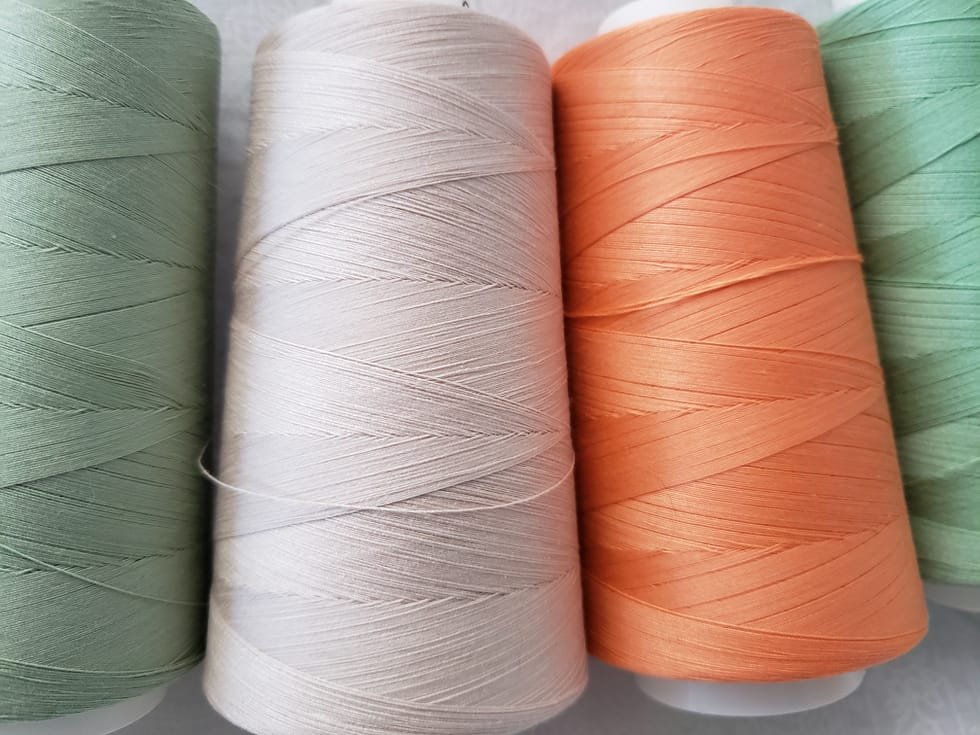
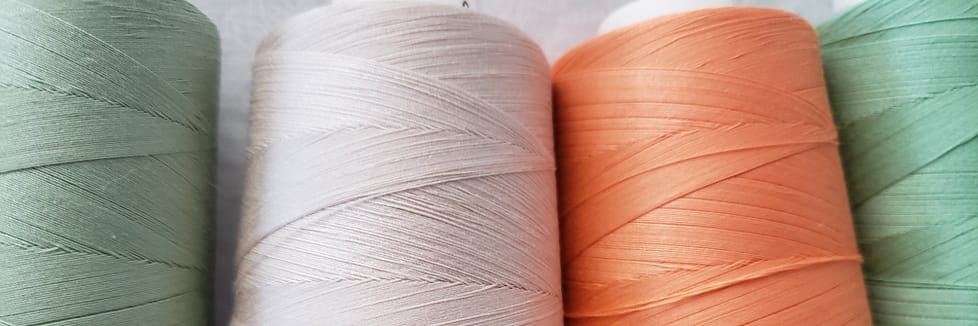
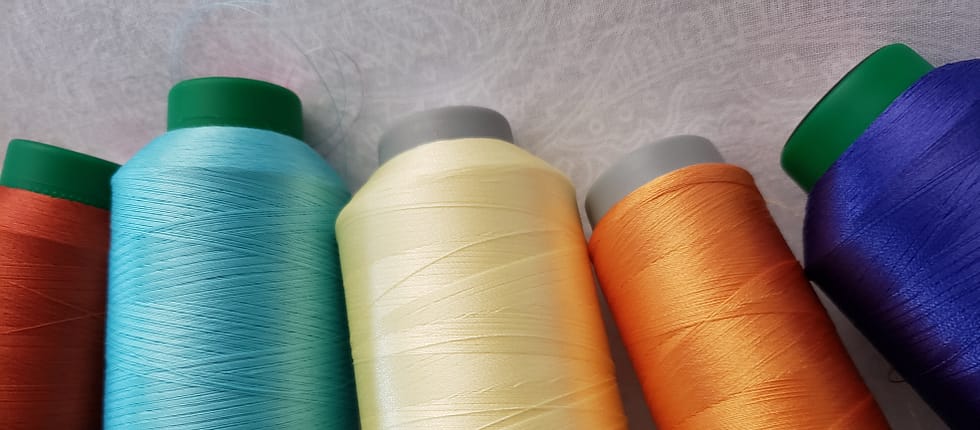
You might think, all ” good quilts” are made with ALL cotton, and that is somewhat true. But a bed quilt needs to have some stretch to the thread. Otherwise when you sit on the bed it will pop/ break the threads. For that reason Quilters often use a Poly wrapped Cotton thread, so it is cotton, but it is cotton wrapped in a poly thread. It has a slight stretch to it. making it more durable and flexible with use. The Dry Cleaning chemicals erode away at polyester thread. Over time the quilt wont hold up as well as it should. People want to be extra careful by Dry Cleaning, but that’s actually not the right route. I use both types of thread in all my quilts. I use a 100% cotton bobbin thread ( thread on the back) and the Poly wrapped Cotton for the front. Don’t know which thread your quilt has? be safe and wash it it yourself with good ole soap and water. Below are pics of a cotton/ and a Poly wrapped Cotton Threads. You cant tell by looking at it. Both are great!
Has My Quilt Been Washed Before Purchase?
It’s possible, yes. An often-overlooked detail with handmade quilts is whether the fabric was pre-washed before making or the quilt, or was washed after completion Or Both? Most people don’t think to ask this when buying a handmade quilt online, and it’s rarely mentioned in listings.
First, let me say—neither approach is wrong. Quilters have strong opinions on this topic, I know both sides, and both have validity. and it’s a bit of a “can of worms.” My stance is simple: I pre-wash everything. Here’s why: Today, most fabrics are imported on ships, and during transport, they’re often sprayed with chemicals and sealing agents to prevent moisture, bugs, or pests. Breathing in those chemicals while cutting and sewing with this fabrics, un washed~~~is not ideal for anyone’s health, so I prefer to wash the fabric first. Especially when you are doing it as a full time job. I don’t want my fabric from the ship moldy, and full of bugs…. but I don’t want to breathe all the chemicals they use either. I don’t find many Quilters who share that viewpoint, ( they should) Back in the day Quilters used recycled fabrics. They old clothes, grain sacks nothing went to waste and had been washed dozens if not 100’s of time before they made a quilt. Now days? uhhh… not so much. freshly made off the ship…. needs to be washed. Im just sayin~ ~~~~There are also two big bonuses to this approach:
- Color Safety: Pre-washing helps prevent color bleeding. Over the years, I’ve seen fabric colors bleed onto lighter areas, sometimes ruining an entire quilt. Pre-washing reduces this risk and gives me peace of mind.
- Pre-Shrinking: Washing the fabric beforehand minimizes shrinkage later, so you won’t have to worry as much when you wash the quilt for the first time.
In fact, I wash my quilts before and after making them. By the time you wash your quilt, it’s already had two washes—yours will be the third. By the third wash, there’s really no more shrinkage to worry about. its a win win for all.
Will My Handmade Quilt Shrink?
When the fabrics have not been washed before making the quilt it will shrink. Yes. The short answer is Yes. How much? Will it shrink a lot? Well….. its amazing every quilt is different. 1st Off if it was made with a Quality Fabric it will shrink way less than a fabric of lesser quality. ( why that is is a different subject) Over the years what I know about how much a quilt will shrink is this: anywhere from 3 to 10 inches is possible. In BOTH width and Length. ( keeping in mind what I said about quality.) But it always shrinks more in the width than the length. sometimes by double the amount, than what the length shrinks. I never knew that until I really had to start measuring to learn. As long ago I had disappointment when I washed a quilt and it shrunk smaller than the bed size I made it for. The reason is because the fabric has a bias to it. When it shrinks it draws up more on the bias, than the straight of grain shrinks. I make all my King Quilts Square ~~for that reason. After shrinking, it has the rectangle bed shape because it loses more in width than length. and means it has “room to shrink” and not be too small.

What if I have Pets on My Quilt? / Is it Ok To Have Your Pets on a Handmade Quilt?
Well because I love pets I would answer , how could you NOT? ha~` But my advice is keep their NAIL trimmed. They use of their nails when the jump ONTO the bed is the hardest on a quilt. Once they are up, them being on the quilt doesn’t hurt it. Jumping up on it, with rough sharp nails is bad. ( yes for cats too) They love to grab on an lift up , snagging the thread. What I would say if your debating on buying a Handmade Quilt and have dogs or cats~ or both is pick a pattern that isn’t a bunch of small pieces with zillions of seams. And tell the quilter! The quilter can do things to make it stronger, or best yet use MORE QUILTING on it. A densely quilted quilt will last twice as long as a Softer Wider spaced Quilting will. Both are good Quilting options, for different reasons ( im going to make a post on the actual Quilting soon), but if you have Pets, you want more quilting and tight stitched seams. And let the quilter know! We all know there no stopping your pets, so you have to bake it into the cake so to say. 🙂
Anyhoo…. That’s my humble but experienced opinion, on How to maintain a Beautiful Handmade Quilt, and to use in real life! Taking a little extra care will ensure your quilt will be around for many years to come.
Subscribe to my News Letter, to see my current work, and if your interested is seeing how quilts come to be. Its mostly a photo blog, as writing these long form articles is not really my thing. But I do get asked a LOT about this, so now I have a place where I can share it. You can find more of my work on My Pinerest
❓ FAQ: Washing Handmade Quilts
Q: Can handmade quilts be machine washed?
Yes! I make my quilts to be fully washable. The safest method is cold water on a gentle cycle with a mild detergent. This protects the stitching and helps colors stay bright for years.
Q: How often should I wash a handmade quilt?
I recommend about once a month. Regular washing helps reset the fabric stretch and keeps the quilt fresh. In between, a quick spot clean is enough if there are only small spills or marks.
Q: What is the best way to dry a handmade quilt?
My quilts are designed for convenience—you can tumble dry on low heat. I don’t recommend dryer balls or tennis balls with patchwork, since they can create extra friction on the seams. Just keep it low and gentle, and your quilt will dry beautifully.
Q: What detergent works best for handmade quilts?
A mild, dye-free, fragrance-free detergent is always best. Harsh soaps and fabric softeners can leave residue, fade colors, or break down the fibers over time.
How To Order a Handmade Quilt / How To Wash A Quilt / How to Choose a Batting
Why is a Quilt For Sale So Expensive? / What to Expect When Ordering
Straight talk About Buying a Quilt / Quilts By The Patterns
Finished Quilts / Made To Order Quilts /
Views: 624
Share this:

Discover more from Quilts By Taylor
Subscribe to get the latest posts sent to your email.